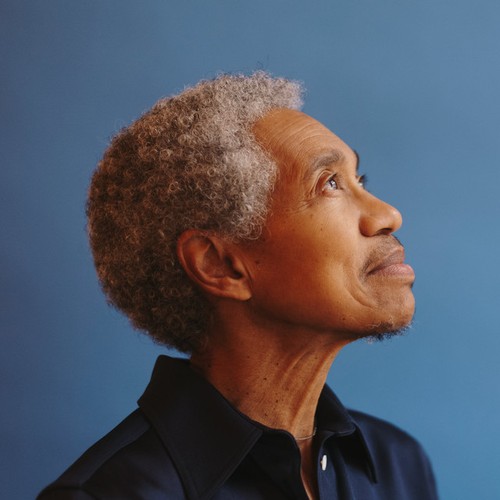
Beverly Glenn-Copeland
About Beverly Glenn-Copeland
Beverly Glenn-Copeland isn't just a musician; he's a sonic cartographer mapping the terrain of the soul. For decades, his deeply personal and often transcendental music remained largely undiscovered, a whispered legend among those in the know. Today, a well-deserved renaissance has brought his singular vision to a global audience. Glenn-Copeland's music defies easy categorization, weaving together folk, jazz, classical, and new-age elements into a shimmering tapestry of sound. Think Joni Mitchell channeled through Brian Eno, with a hefty dose of spiritual yearning. His career, spanning from folk clubs in the 60s to composing for children's television, took a pivotal turn with the rediscovery of his 1986 album, *Keyboard Fantasies*. This synth-drenched meditation on nature and self-acceptance unexpectedly found a new audience, drawn to its raw emotion and timeless message. A late-in-life transition and the embrace of his true identity as a Black trans man has profoundly shaped his art, imbuing it with a profound sense of authenticity and vulnerability. Glenn-Copeland's impact extends beyond music; he's become an icon for LGBTQ+ visibility and a beacon of hope for anyone searching for belonging. Recent performances with artists like Bon Iver and his ongoing exploration of electronic soundscapes solidify his place as a vital and enduring voice in contemporary music.