How can festivals increase the value of their partner offer?
How festivals can create more valuable sponsorship packages with digital activations, measurable touchpoints and a better festival-goer experience.

For many festivals, partners remain an essential source of revenue. Yet the offer presented to them often evolves more slowly than audience behavior. The classic model still relies heavily on logos, banners, social media mentions, a few physical spaces and sometimes a presence in the official program.
Those assets still have their place. But they are no longer enough when brands are looking for more than visibility. Today, a partner wants to understand where it appears, how it reaches the audience, when it becomes part of the experience, and what the festival can offer beyond a placement.
Increasing a festival’s partner offer does not simply mean adding more formats. It mainly means creating more useful, visible and measurable moments throughout the festival-goer journey.
Moving from visibility to experience
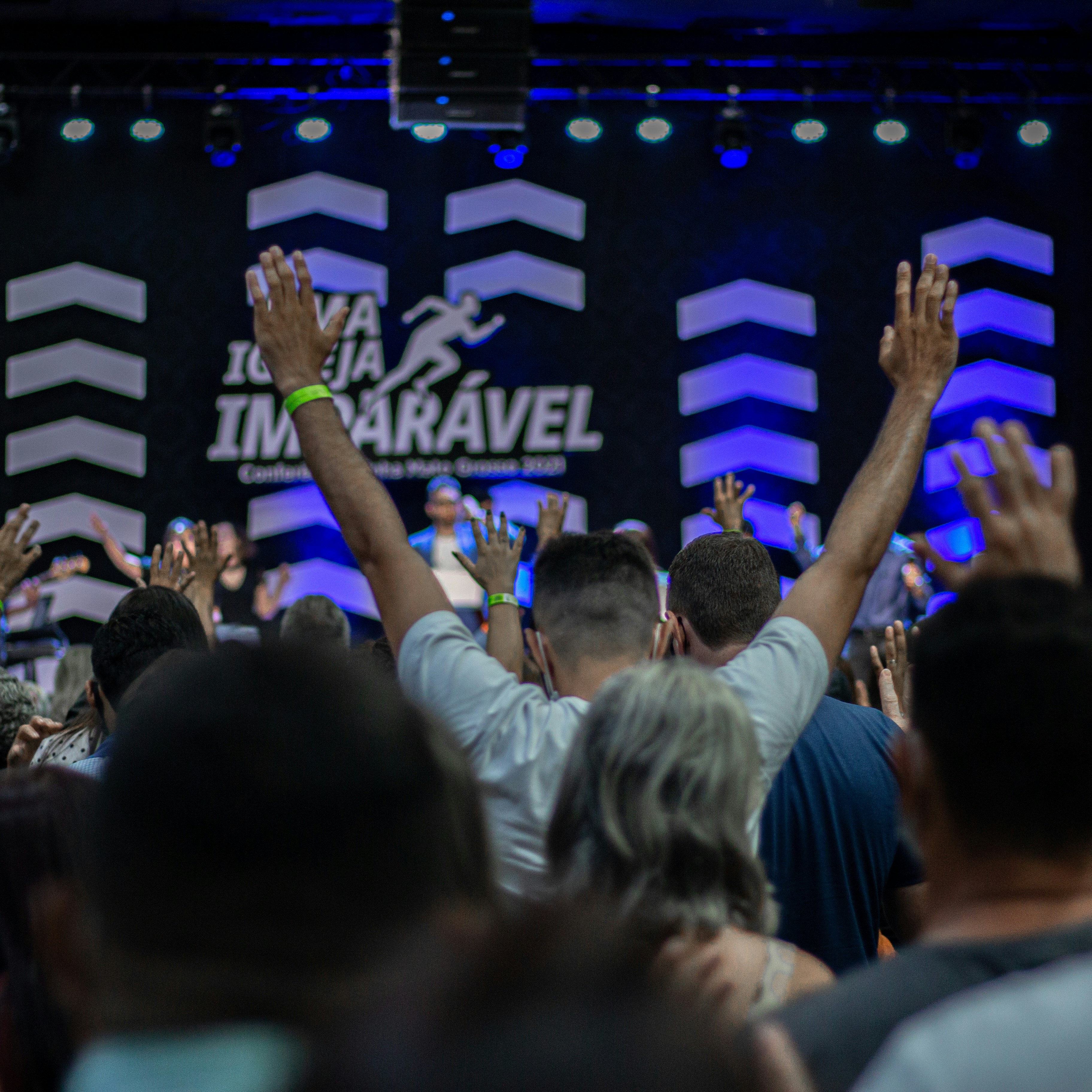
Visibility still matters, but it is only the starting point. A logo on a poster or a banner onsite can contribute to brand awareness, but it does not necessarily create interaction. Festivals are environments where attention, emotion and memory are especially strong.
That is exactly where partner offers can gain value. A strong partner activation does not just show a brand. It integrates the brand into a moment: planning a visit, discovering the lineup, finding a stage, receiving a useful notification, joining a game, accessing an offer, or reliving a highlight after the event.
The question is no longer only: “where can we place the partner’s logo?” It becomes: “at what moment can this partner create something useful, enjoyable or memorable for the audience?”
Identifying the key moments in the festival journey
To enrich a partner offer, organizers first need to look at the festival as a complete journey. That journey starts well before the gates open and continues after the final performance.
Before the festival, audiences browse the lineup, plan their days, buy tickets, identify artists, share plans with friends and start projecting themselves into the event. This is a valuable moment for partners connected to discovery, mobility, food, drinks, fashion, technology or local services.
During the festival, needs become more immediate: finding a stage, getting a reminder before a show, checking schedules, understanding last-minute changes, locating water points, finding an activation, accessing an offer or getting practical information. At that point, the partner can become useful, not just visible.
After the festival, recap content, memories, aftermovies, playlists and thank-you communications extend the experience. This is often an underused space to strengthen the connection between the brand, the festival and the emotions people experienced.
Creating richer digital inventory
Physical assets have a simple limit: they are fixed. A poster, an entrance arch or a sign is visible in one place for a certain amount of time. Digital tools make it possible to add more flexible, targeted and integrated touchpoints within the real festival-goer journey.
A festival app, for example, can become a central support for enriching partner offers. It accompanies audiences at the exact moments when they are looking for information: schedules, artists, stages, map, notifications, FAQ, tickets, reminders or important announcements.
This opens the door to new formats: partner banners, sponsored spaces in specific sections, scheduled notifications, enhanced maps, interactive activations, games, quizzes, forms, short content, limited-time offers or contextual messages. The point is not to overload the experience, but to offer formats that make sense at the right moment.
A partner featured in a useful notification or in a module visited several times during the event can generate stronger perceived value than a logo lost among twenty others.
Building offers before, during and after the event
A strong way to increase the value of a partner offer is to sell key moments, not just placements.
Before the festival, a package can include presence in preparation communications, visibility inside the app, a discovery game, a scheduled notification or an activation linked to the lineup.
During the event, it can include reminders, geolocated content, map presence, live interactions or messages tied to specific moments.
After the festival, it can include a thank-you message, a short video, a playlist, a post-event offer or an engagement report.
This structure tells a more complete story to the partner. It shows that the festival is not only selling an audience, but a context for engagement.
Using a festival app as a partner activation layer
A festival app can become one of the strongest supports for enriching partner offers because it sits at the center of audience usage. Festival-goers use it to check schedules, prepare their plan, receive notifications, find practical information or navigate the event.
With FEST App, organizers can centralize their content and create digital touchpoints for their partners: banners, notifications, maps, modules, sponsored information, interactive activations and statistics. The goal is not to turn the app into an advertising board, but to use the right formats to create more value at the right time.
A brand can therefore be associated with a useful service, a discovery moment, a game, a reward or a highlight in the experience. For the festival, this means a more modern, more measurable and easier-to-present partner offer.
What festivals can sell in addition
In practical terms, a festival can enrich its partner offer with several types of assets:
- partner banners with statistics;
- sponsored notifications or notifications linked to a specific moment;
- presence on the festival map;
- games, quizzes or forms inside the app;
- short content or sponsored aftermovies;
- limited offers accessible to festival-goers;
- pre-event highlights;
- post-event performance reports;
- packages combining app, website, social media and physical presence.
The goal is to build a more complete partner inventory without making operations unnecessarily complex. The right tool should help the festival activate these formats simply, not create another operational monster.
Conclusion
Increasing a festival’s partner offer is not only about selling more spaces. It is about selling more value: moments, interactions, usefulness, measurement and better integration into the festival-goer experience.
Brands are looking for contexts where they can be seen, but also understood, remembered and associated with a positive emotion. Festivals have exactly that power. By structuring their packages more clearly and adding digital formats through a festival app, they can offer partners something more attractive, more modern and easier to defend commercially.