Florence + The Machine
About Florence + The Machine
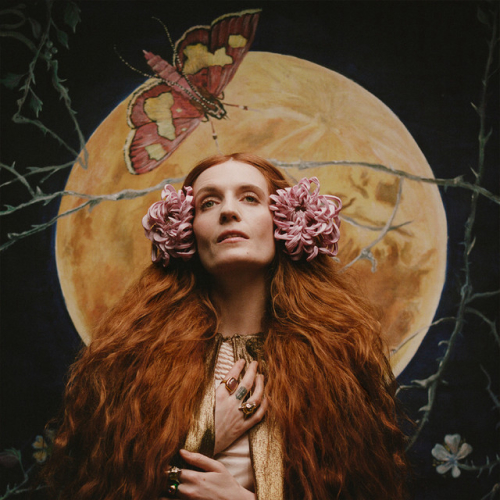
Florence Welch, the ethereal force behind Florence + The Machine, has carved a singular path in modern music with her haunting vocals, poetic lyricism, and theatrical performances. Emerging from South London in the late 2000s, Welch drew inspiration from a kaleidoscope of influences—Kate Bush’s dramatic storytelling, the raw energy of punk, and the grandeur of baroque pop. Her debut album, *Lungs* (2009), was a revelation, blending indie rock with soulful ballads and earning her comparisons to a modern-day siren. Tracks like "Dog Days Are Over" became anthems of liberation, their euphoric energy resonating with a global audience. Over the years, Florence + The Machine has evolved into a genre-defying act, with albums like *Ceremonials* (2011) and *How Big, How Blue, How Beautiful* (2015) showcasing her ability to weave vulnerability and strength into lush, orchestral soundscapes. Welch’s lyrics often explore themes of love, loss, and spirituality, delivered with a voice that oscillates between a whisper and a roar. Her live performances are legendary, marked by her unrestrained movement and connection with the audience, as if she’s channeling something otherworldly. In recent years, Welch has continued to push boundaries, experimenting with stripped-down arrangements on *High As Hope* (2018) and collaborating with artists like Lady Gaga and Sam Smith. Her latest work, *Dance Fever* (2022), delves into the duality of chaos and control, inspired by the pandemic and her reflections on artistry. Florence + The Machine isn’t just a band—it’s a movement, a celebration of the human spirit in all its messy, beautiful glory.