How to make a festival app profitable
A festival app becomes profitable when it creates more value than it costs across attendee attention, sponsor visibility, operational efficiency, and owned communication.
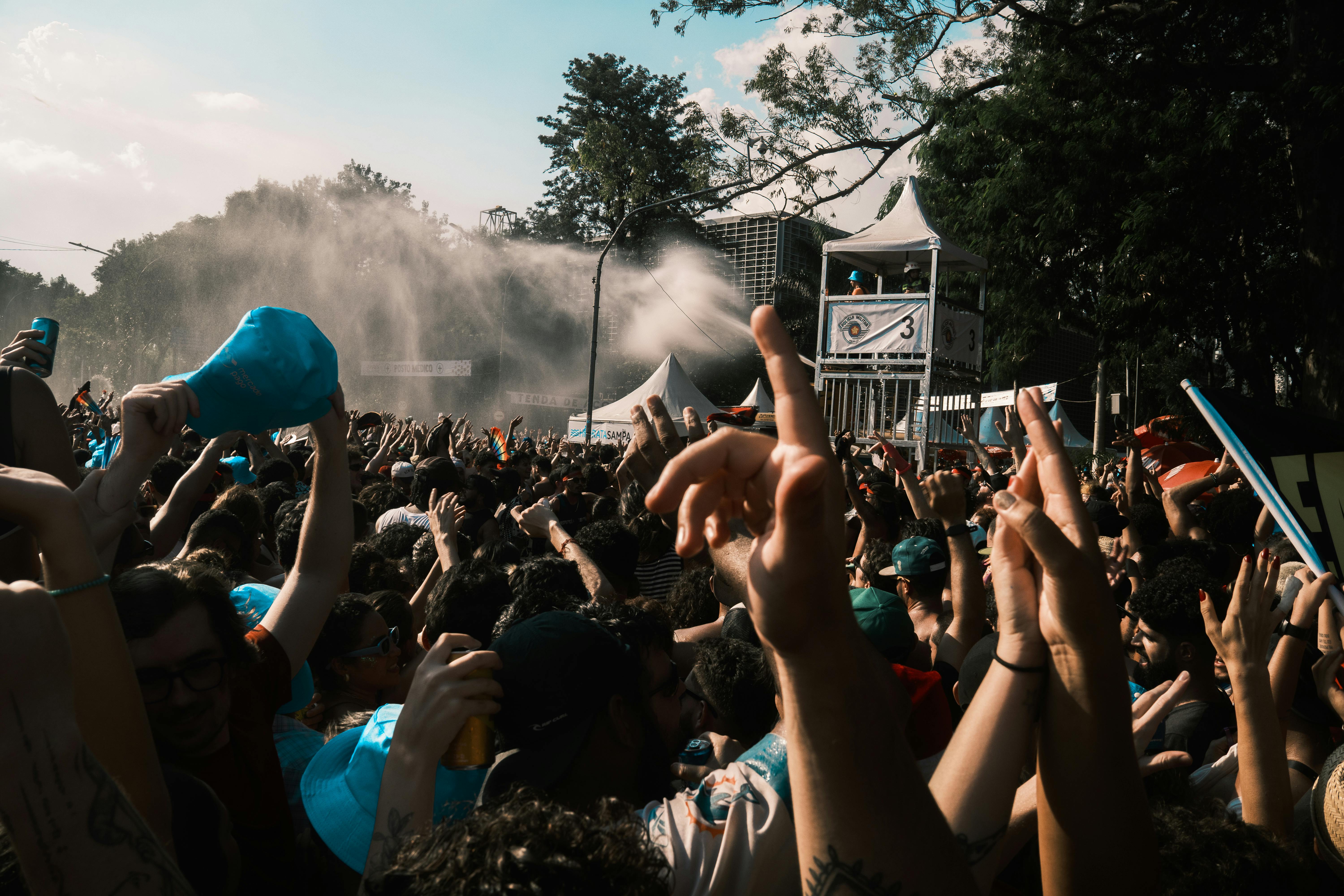
A festival app becomes profitable when it creates more value than it costs across four areas: attendee attention, sponsor visibility, operational efficiency, and owned communication. The strongest festival apps are not treated as a side project. They become the digital layer that helps visitors plan, receive updates, discover partners, and keep interacting with the festival before, during, and after the event.
Profitability does not always mean selling directly inside the app. For most festivals, the app pays for itself when it increases sponsor value, reduces communication friction, improves the visitor experience, and gives the organizer measurable digital inventory to package into commercial offers.
Start with the real question: where does the app create value?
A festival app is profitable only if people actually use it. That sounds obvious, but it is the part many organizers skip. An app with a schedule, map, notifications, reminders, ticketing links, cashless access, FAQ, and useful practical information has a reason to live in the attendee’s hand.
The business logic is simple: usage creates attention, and attention creates value. If thousands of festival-goers open the app to check set times, save artists, find a stage, receive a last-minute update, or look up practical information, the festival now owns a high-intent communication channel during its most valuable moments.
That channel can support communication, operations, sponsors, ticketing, merchandising, food and beverage, safety, and year-round engagement.
The first ROI lever is sponsor value
For many festivals, sponsor value is the clearest path to making an app profitable. The app creates digital inventory that can be sold, measured, and renewed: partner banners, sponsored sections, push notification campaigns, branded activations, map visibility, contests, quizzes, games, forms, or short video formats.
The important point is not to turn the app into an advertising wall. Festival-goers do not download an app to stare at logos. Sponsors become more valuable when they are integrated into real moments of the festival experience.
For example:
- a beverage partner can sponsor the map or nearby points of interest;
- a mobility partner can appear inside arrival and departure information;
- a brand can run a quiz or scratch game before the event;
- a sponsor can support personalized reminders around key shows;
- a partner can receive reporting on visibility and interactions after the festival.
This is stronger than passive logo placement because it connects the brand to moments people actually remember. The app becomes a sponsor activation layer, not just a communication tool.
The second ROI lever is better communication
A profitable app also reduces the cost of confusion. Festivals spend an enormous amount of energy answering the same questions: when does this artist play, where is this stage, what changed, where do I enter, what happens if it rains, where is the cashless top-up, what is allowed on site?
When the app centralizes schedules, FAQ, maps, notifications, announcements, ticketing links, and practical information, it removes friction for both visitors and teams.
This creates value even when it does not show up as a direct line of revenue. Clearer communication can reduce pressure on staff, improve attendee satisfaction, make last-minute changes easier to manage, and protect trust when something changes during the event.
Push notifications are especially important here. Used well, they give the organizer a direct channel for urgent updates, schedule changes, weather information, safety messages, and high-value reminders. Used badly, they become noise. The profitable version is targeted, useful, and timed around real attendee needs.
The third ROI lever is operational efficiency
A festival app can also save time internally. Instead of updating information separately across printed programs, social posts, website pages, PDF schedules, and scattered documents, the organizer can centralize key content and distribute it through one reliable mobile experience.
This matters because festival teams are usually overloaded during the final weeks before an event. Every tool that reduces duplicate work, avoids outdated information, or makes updates faster has operational value.
Operational ROI can come from:
- fewer repeated questions from attendees;
- fewer last-minute printed corrections;
- faster schedule updates;
- clearer venue and stage information;
- centralized partner visibility;
- reusable content from one edition to the next;
- easier multilingual communication.
The app does not need to replace every tool. It needs to become the place where festival-goers can reliably find what they need when they need it.
The fourth ROI lever is measurable attention
Traditional festival communication is often hard to measure. A poster is visible, but the organizer rarely knows how people interacted with it. A social media post reaches people, but the platform controls the audience. A printed program is useful, but it disappears after the event.
A festival app gives organizers more measurable signals: app adoption, active users, schedule saves, notification engagement, partner impressions, clicks, interactions, and content usage.
Those signals are useful commercially because they help the festival improve its sponsor packages. Instead of selling vague visibility, the organizer can sell digital presence tied to real attendee behavior.
This is where the app becomes a stronger asset for renewals. Sponsors do not only want to be present. They want to understand what worked, what people saw, and how the activation performed.
How to package the app commercially
To make a festival app profitable, the commercial offer should be designed before the event, not after the app is already live.
A simple sponsor package can include:
- branded visibility inside the app;
- presence on the map or schedule experience;
- one or several targeted notifications;
- an interactive activation such as a quiz, form, scratch game, or video;
- reporting after the event;
- optional visibility on the festival website or FEST page.
The best packages are connected to moments. A main partner can sponsor the full mobile experience. A stage sponsor can be connected to schedule pages and reminders. A transportation partner can be connected to arrival, map, and departure information. A food or beverage partner can be visible around practical on-site decisions.
The more natural the fit, the stronger the value.
What organizers should avoid
The fastest way to make a festival app unprofitable is to treat it as a box to tick. If the app launches too late, has incomplete information, is not promoted clearly, or contains too much generic sponsor placement, adoption will be weak.
Avoid these mistakes:
- launching the app only a few days before the festival without promotion;
- hiding the app link in one social post;
- adding sponsors without context or interaction;
- sending too many notifications;
- publishing incomplete schedules or outdated practical information;
- failing to measure usage and partner performance;
- treating the app as a cost center instead of sponsor inventory.
A profitable app needs a launch plan, useful content, clear promotion, and a commercial strategy.
A practical profitability framework
Festival organizers can evaluate app profitability with four questions:
- Did the app improve the visitor experience?
- Did it make communication faster, clearer, or safer?
- Did it create sponsor value that could be sold or renewed?
- Did it produce measurable signals we can use for next year?
If the answer is yes to at least two of these, the app is already creating business value. If the answer is yes to all four, the app is no longer a cost. It is part of the festival’s commercial and communication infrastructure.
Where FEST fits
FEST is built around this exact logic: help festivals centralize their content, distribute programming, send notifications, guide attendees, and create more value for partners. The app is not only a digital schedule. It is a communication and sponsor activation layer for the festival.
With FEST, organizers can publish artists, schedules, maps, FAQ, announcements, ticketing and cashless links, partner visibility, reminders, and multilingual content from one ecosystem. Partner banners and digital activations can then turn the mobile experience into measurable sponsor inventory.
That is how a festival app becomes profitable: not by adding technology for the sake of technology, but by turning attendee attention into better communication, better experience, and better partner value.
FAQ
Can a festival app generate direct revenue?
Yes, but direct revenue is only one part of the equation. A festival app can support ticketing links, merchandise, cashless journeys, partner offers, and sponsored placements. In practice, the strongest ROI often comes from sponsor value, communication efficiency, and measurable attendee engagement.
How can sponsors be integrated into a festival app?
Sponsors can be integrated through banners, map visibility, sponsored schedule moments, notifications, contests, quizzes, forms, games, short videos, and post-event reporting. The best sponsor integrations are connected to useful attendee moments rather than isolated logo placement.
When should a festival launch its app?
Ideally, the app should be promoted before the festival, once the lineup, schedule, practical information, and key features are useful enough for attendees. Launching too late limits adoption and reduces commercial value for sponsors.
What makes attendees actually use a festival app?
Attendees use the app when it helps them solve real problems: checking set times, saving artists, receiving reminders, finding stages, getting alerts, accessing practical information, and navigating the event. Utility drives adoption.
Is a festival app worth it for smaller festivals?
Yes, if the app is simple to launch and tied to clear goals. Smaller festivals can use an app to improve communication, reduce operational friction, create sponsor inventory, and give attendees a better experience without building custom technology from scratch.
FEST App helps festival organizers launch a useful mobile experience quickly, communicate with their audience, distribute schedules and ticketing information, and create more value for partners.
The FEST team helps festivals turn their app into a clearer communication channel, a better attendee experience, and a stronger sponsor asset.
Discover FEST and contact the team: https://festapp.io/contact